
With sweltering summer temperatures impacting most of the country and the growth of AI dominating the news cycle, there has rarely been more attention paid to the American energy economy. Natural gas has been responsible for more than 40% of electricity in the generation in the U.S. for years, yet as demand – both for natural gas specifically and for electricity more generally – has grown, the infrastructure needed to bring that energy online has not kept pace. Now, the U.S. is facing an important choice: build more energy infrastructure, including natural gas pipelines, and continue meeting energy demand affordably and reliably while leading the globe in technological advances, or stick with the status quo and put those things at risk.
The solution is simple, and recently many of the United States’ largest energy regulators and regional transmission organizations have released assessments with the same sentiment:
The North American Electric Reliability Corporation’s (NERC) Summer Reliability assessment:
- “Natural-gas-fired electricity generation broke records last year— highlighting the criticality of natural gas in meeting electric demand. This continuing trend will be key in operator preparations that help to ensure fuel availability for the coming summer.”
- “In Texas, California, and across the U.S. West, the influx of battery energy storage systems (BESS) in recent years has markedly improved the ability to manage energy risks during challenging summer periods… Natural-gas-fired generation also continues to play an important role in meeting peak demand and flexibly responding to fluctuations output from variable energy resources (VER).”
The Federal Energy Regulatory Commission (FERC)’s 2025 Summer Assessment:
- “Total U.S. natural gas demand is forecasted by the EIA to average 98.7 billion cubic feet per day (Bcfd) in summer 2025, 1.7 Bcfd more than summer 2024 levels and 9.7% more than the previous five-year summer average.”
- “Across all regions, natural gas is expected to provide the largest share of net summer generation capacity. Natural gas-fired resources are expected to represent 40.6% of the total summer capacity in operation in the United States this summer, followed by coal at 13.4%, wind at 12.5%, solar at 12%, and nuclear and hydro both at 8%.”
PJM’s 2025 Summer Outlook:
- “PJM continues to voice concerns about the supply and demand imbalance driven by generator retirements and the slow build of new resources in the face of accelerating demand growth.”
- “‘This outlook at a record peak heat scenario reflects our years-long and mounting concerns as we plan for enough resources to maintain grid reliability,’ said Aftab Khan, Executive Vice President – Operations, Planning & Security. ‘All resources within PJM’s footprint should be prepared to respond when called upon.’”
In prior years, political tensions over how to address climate change have caused some lawmakers to prioritize emissions reductions at the cost of energy affordability and reliability. But these priorities don’t have to be at odds; consumers don’t have to choose between reducing emissions and having affordable, reliable energy. In fact, according to a survey by Natural Allies for a Clean Energy Future, the majority of voters in the Northeast support a more balanced energy approach that includes natural gas, which will, in turn, support our emissions reductions goals.
Northeastern Voters Support Natural Gas

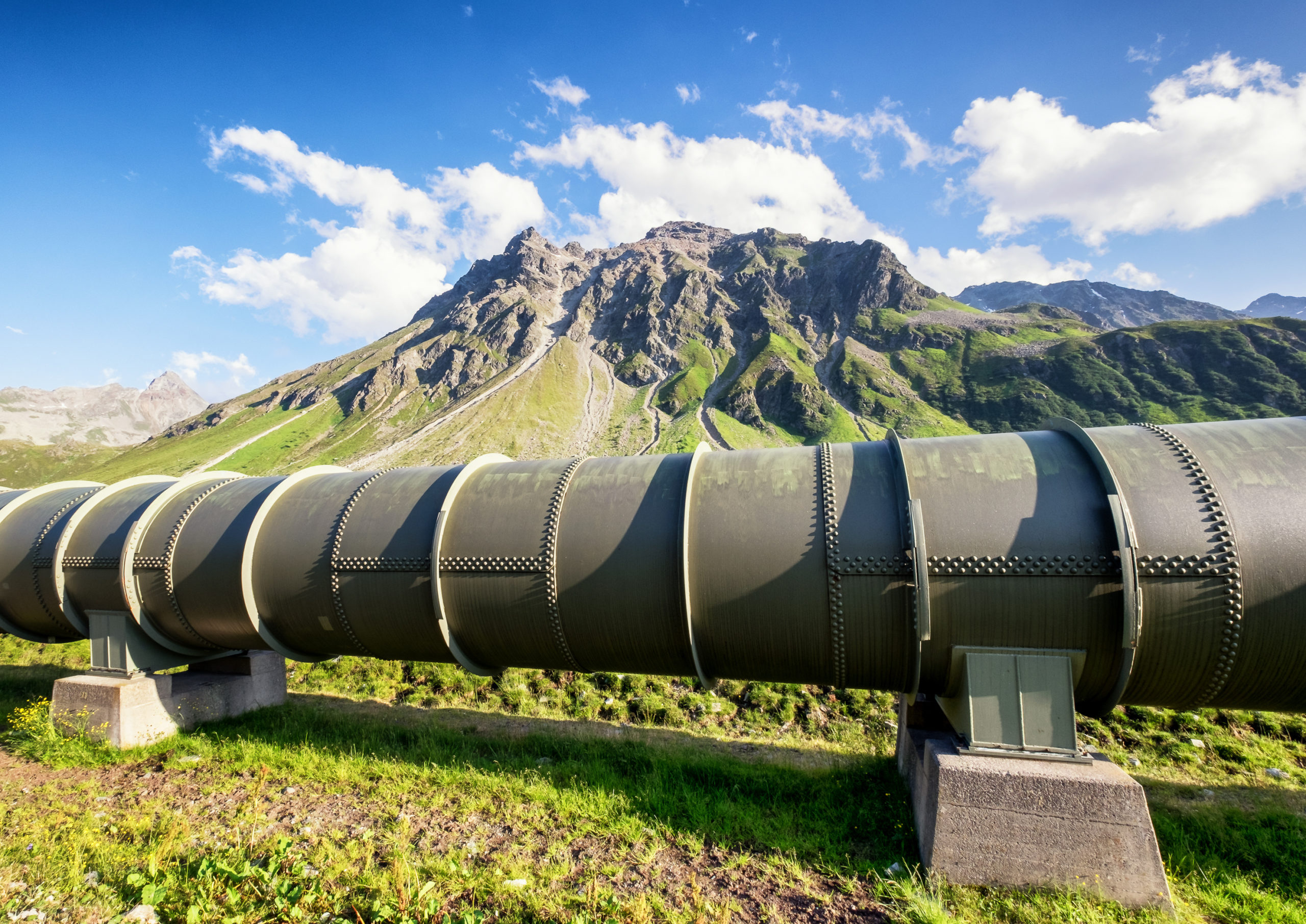
As INGAA President and CEO Amy Andryszak and Boardwalk Pipelines CEO Scott Hallam highlighted in a recent op-ed, the U.S. has abundant natural gas resources, but for natural gas it to do its job, we must have the transportation network in place to move the fuel from where it is produced to where it is consumed.
“It is essential for policymakers and regulators to acknowledge the reality: America’s energy independence is being undermined by our failure to invest in complementary energy transportation infrastructure.
We must align and streamline state and federal permitting processes, support generators in securing long-term transportation contracts, and recognize gas infrastructure is a critical component of our energy future. Together, these solutions will ensure our infrastructure realities keep pace with American energy ambitions.”
The current permitting process remains slow, cumbersome, and unpredictable, often plagued by delays, bureaucratic red tape, and litigation that add years to the construction timeline and increased costs. INGAA members stand ready to invest in the construction of new pipelines, but lack the streamlined and efficient permitting process to do so. This is not only frustrating for pipeline operators but also hinders the United States’ ability to meet its energy needs.
We can lead the world in energy innovation while providing the affordable, reliable fuel that Americans deserve. Reforming the U.S. federal permitting process for energy infrastructure will unlock the development of new pipeline infrastructure, create jobs, stimulate economic growth, and ensure that our energy needs are efficiently and reliably met.